SEA Coalition for Academic Freedom

Ensuring that the principle of academic freedom is respected and promoted through a region-wide network across Southeast Asia.


FOLLOW US FOR UPDATES


Who are we?

Recognizing the increasing threats to intellectual autonomy and institutional independence, SEACAF brings together educators, researchers, students, policymakers, and civil society organizations to advance academic freedom as a cornerstone of democratic and progressive societies.
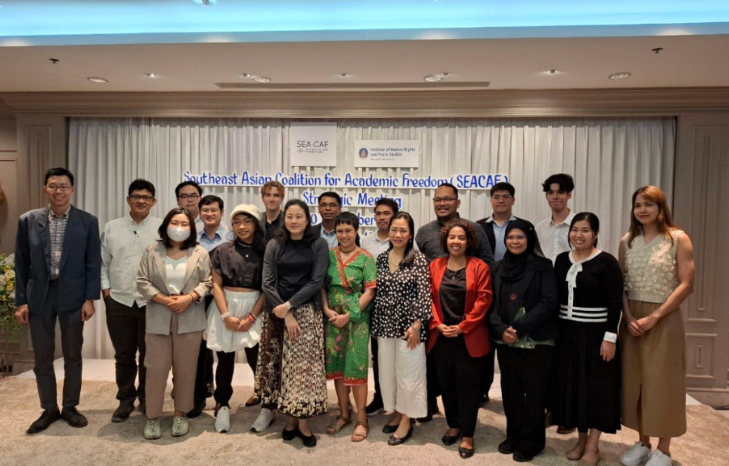
Our Collaborators
Institue of Human Rights and Peace Studies
Mahidol University, Thailand

Scholars At Risk Network
New York University, New York

Why does academic freedom matter?
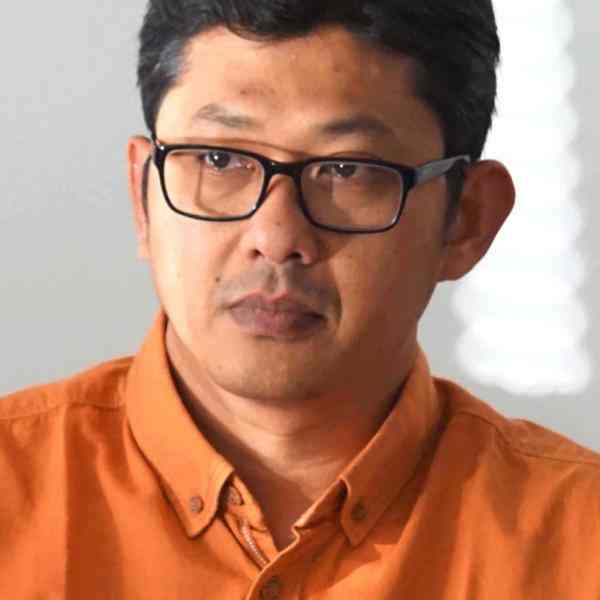
A campus without academic freedom is like a body without a soul. Freedom raises critical thinking awareness, sows social solidarity, and strengthens scientific traditions. Certainly, if a campus is coopted by the ruler, intellectuals are more addicted to power and capital projects, and much filled by anti-science politics, then clearly there is no academic freedom. The campus is soulless. Whoever believes in bringing a better human civilization, the element of fortifying academic freedom on campuses is a non-negotiable prerequisite, must be protected and fulfilled.

Herlambang P. Wiratraman
Chair of Research Center for Law and Social Justice (LSJ) Faculty of Law, Universitas Gadjah Mada, and Advisory Board of Indonesian Caucus for Academic Freedom (KIKA)

Academic freedom, to me, is the space where I learn to live between fear and courage. It is not about being fearless. I have often felt the weight of speaking out, the hesitation before writing something that challenges the norm. Yet, it is about refusing to let fear define the boundaries of my thoughts. It is the freedom to explore, question, and challenge power without being silenced. Academic freedom is a commitment to integrity, even when silence feels easier.

Khoo Ying Hooi
Universiti Malaya

Academic freedom has value only when actually used, and useful only to those who have ideas that imperil and outrage those in power—as the late University of the Philippines (UP) professor and former UP president Francisco Nemenzo had the courage to say in 1979, when the country was still under the Marcos Sr. dictatorship—and that “it has meaning only where members of the university perform the essential function of social critics, otherwise it is worthless.

Sol Iglesias, Ph.D.
Department of Political Science
University of the Philippines Diliman
Network in Defense of Historical Truth and Academic Freedom

News & Events

Latest Developments in Academic Freedom Across Southeast Asia

Subscribe To Our Newsletter

Subscribe To Our Newsletter

Stay Updated! Subscribe to Our Newsletter

Get the latest news, updates, and special content straight to your inbox

You have Successfully Subscribed!